Hard water is a common issue in many UK households, leaving behind limescale deposits that can clog shower heads and reduce water flow. Over time, these mineral buildups not only affect the performance of your shower but can also impact its lifespan. Fortunately, there are effective and simple methods to remove limescale without harsh chemicals. This article explores practical approaches using vinegar and citric acid, offering a step-by-step guide that is safe for most fixtures and materials. By understanding the processes involved, you can maintain your shower head in good condition and ensure a consistent water flow.
The key to successful limescale removal lies in the chemical reaction between the acidic solution and the alkaline minerals. Both white vinegar and citric acid are mild acids that dissolve calcium carbonate, the primary component of limescale. They are readily available, affordable, and environmentally friendly. The methods described below are designed for regular maintenance and can be adapted to different types of shower heads, whether fixed or handheld. It is important to follow safety precautions, such as ensuring the area is well-ventilated and protecting surfaces that might be sensitive to acid.
Before starting any descaling procedure, it is essential to check the manufacturer’s instructions for your shower head. Some finishes, such as certain metals or coated plastics, may require specific care. When in doubt, test a small, inconspicuous area first. This article provides general guidance that is suitable for most household fixtures, but always prioritise your product’s care guidelines. HomeSmart Solutions understands the importance of proper maintenance for your home comfort and offers a range of products designed to support these efforts.
Understanding Limescale and Its Impact on Shower Heads
Limescale forms when hard water evaporates, leaving behind calcium and magnesium deposits. These minerals accumulate over time, creating a rough, whitish layer on the surface of your shower head. This buildup can obstruct the tiny nozzles, leading to uneven or reduced water flow. In severe cases, it can also cause internal damage, affecting the mixing valve or other moving parts. Recognising the signs of limescale early can help you address the issue before it becomes a more significant problem.
The frequency of descaling depends on the hardness of your water supply and how often you use the shower. In areas with very hard water, a monthly cleaning might be necessary, while other regions may only require seasonal maintenance. Observing the water pressure and spray pattern can give you clues. If you notice that the water flow seems weaker or the jets are not as powerful, it is likely time to inspect your shower head for mineral deposits.
Regular descaling not only improves the performance of your shower but also contributes to its longevity. By removing limescale, you reduce the strain on the fixture and its components. This proactive approach can prevent the need for more expensive repairs or replacements. Additionally, a clean shower head is more hygienic, as it minimises the potential for bacterial growth in damp environments. Therefore, adopting a routine descaling practice is a simple yet effective maintenance step.
Materials and Preparation: What You Need for Descaling
Before you begin the descaling process, gather the necessary materials. For both vinegar and citric acid methods, you will need a plastic bag or a container large enough to fully submerge the shower head, a rubber band or string to secure the bag, and a cloth for wiping. If you are using vinegar, white vinegar is recommended because it has a consistent acidity and does not contain dyes that could stain surfaces. For citric acid, you can find it in powder form at most supermarkets or online. It is also a common ingredient in many commercial descalers.
Protective gear such as gloves and safety goggles can be useful, especially if you have sensitive skin or if you are working with concentrated solutions. Ensure that the area around your shower is clear of toiletries and other items that might be affected by splashes. It is also wise to cover any nearby surfaces that are not resistant to acids, such as certain metals or polished stones, with a protective layer like a plastic sheet or cloth. Adequate ventilation is important, particularly when working with vinegar, which has a strong odour.
When using citric acid, you will need to dissolve the powder in warm water according to the package instructions. Typically, a ratio of two to three tablespoons per litre of water is effective. For vinegar, a solution of equal parts white vinegar and water is a common starting point, although some people use undiluted vinegar for more stubborn deposits. The choice between vinegar and citric acid often comes down to personal preference and availability. Both are effective, but citric acid may be less pungent and might work faster for heavy limescale. Always test your solution on a small area first if you are unsure about the reaction.
Method 1: Descaling with Vinegar
One of the most popular and cost-effective methods to remove limescale is using white vinegar. Its mild acidity is sufficient to dissolve mineral deposits without damaging most shower fixtures. To begin, detach your shower head if it is removable. If you have a fixed head, you can fill a plastic bag with the vinegar solution and secure it around the head with a rubber band, ensuring it is completely submerged. For a removable head, you can immerse it in a bowl or container filled with the solution.
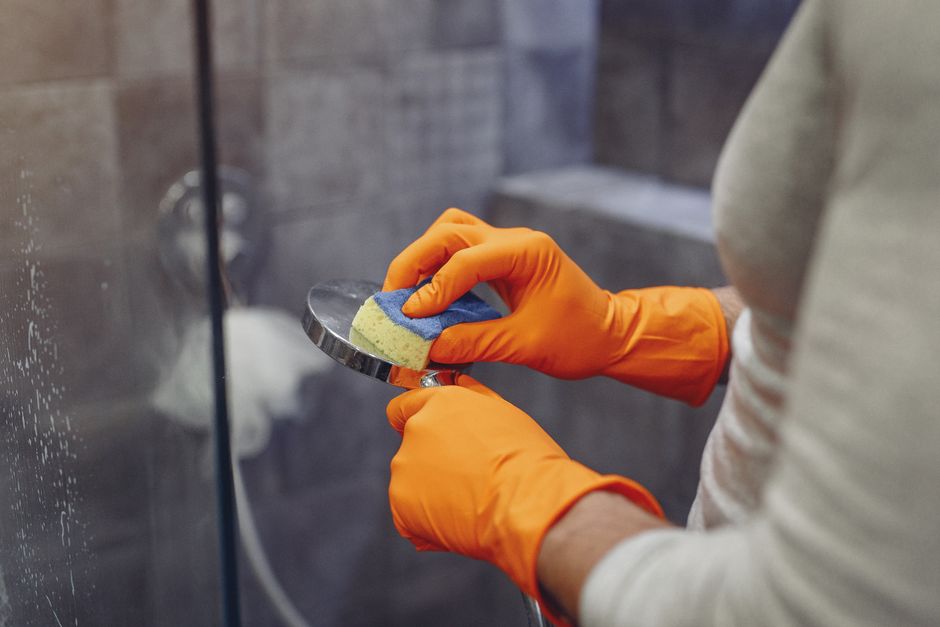
Leave the shower head to soak for at least 30 minutes to allow the acid to work. For heavy limescale, you may need to extend the soaking time to a few hours or even overnight. The vinegar will soften the mineral deposits, making them easier to remove. After soaking, use an old toothbrush or a soft brush to gently scrub the nozzles. This helps to dislodge any remaining particles and ensures that the holes are clear. For stubborn blockages, you can use a pin or toothpick to gently poke through the holes, but be careful not to scratch the surface.
Once you have cleaned the shower head, rinse it thoroughly with clean water to remove any vinegar residue. This step is important to prevent a lingering smell and to neutralise the acid. Wipe the fixture dry with a soft cloth to avoid water spots. If you have a fixed shower head, you should run the shower briefly to flush out any remaining solution from the internal parts. This method is effective for most limescale issues and is safe for chrome, stainless steel, and plastic surfaces when used properly. However, always confirm that your specific finish can tolerate vinegar by checking the manufacturer’s guidance.
Method 2: Using Citric Acid for Descaling
Citric acid is another excellent option for removing limescale, and it is often preferred for its pleasant citrus scent and effectiveness. It is particularly useful for shower heads that are heavily scaled or for those who want a more natural cleaning solution. To use citric acid, dissolve the powder in warm water as per the instructions. The resulting solution is slightly more acidic than vinegar on a molar basis, which can make it faster-acting, but it still needs sufficient contact time to work.
The process is very similar to the vinegar method. You can either detach the shower head and soak it in a container filled with the citric acid solution, or use a bag technique for fixed heads. Soak for a minimum of 30 minutes, though longer durations may be necessary for severe limescale. After soaking, use a soft brush to scrub away any loosened deposits. You may notice that the solution becomes cloudy as the minerals are dissolved, which is a normal sign of its action.
After cleaning, rinse the shower head thoroughly with clean water and dry it with a cloth. If you are dealing with a very stubborn buildup, you can repeat the process or create a paste by mixing citric acid with a small amount of water. Apply this paste to the affected areas and let it sit for 15-20 minutes before scrubbing. This method allows for more targeted treatment of spots that are particularly resistant. Citric acid is safe for most surfaces, but similar to vinegar, it is advisable to check for any specific restrictions from the manufacturer.
Additional Tips for Limescale Prevention and Maintenance
Removing limescale is an important part of shower maintenance, but preventing its accumulation can save you time and effort in the long run. Consider wiping down your shower head with a dry cloth after each use to remove excess water droplets that lead to mineral deposits. This simple habit can significantly reduce the frequency of deep cleaning. Additionally, if you live in an area with very hard water, you might explore water softening options, such as installing a water softener or using a shower filter that reduces mineral content.
Another effective preventive measure is to occasionally run a small amount of vinegar or citric acid solution through your shower system without full immersion. For example, you can pour a cup of vinegar into a plastic bag and attach it to the shower head, allowing it to drip through over time. This can help keep the internal passages clear without a full soak. However, this practice is not a substitute for a thorough descaling when limescale has already built up.
It is also important to choose the right cleaning tools and materials. Avoid using abrasive scrubbers or harsh chemical cleaners that can damage the protective coating on your shower head. Soft cloths and brushes with nylon bristles are generally safe. When cleaning detachable parts, ensure that any seals or washers are not damaged. With regular care and by using the methods described, you can maintain effective water flow and extend the life of your fixture.
Consistent maintenance is key to avoiding limescale buildup. Regular inspections and gentle cleaning can prevent major accumulations that require intensive methods.
Safety Considerations and Best Practices
While vinegar and citric acid are natural and safe for most household applications, it is still essential to handle them with care. Both are acids and can cause irritation if they come into contact with your eyes or prolonged skin exposure. Always work in a well-ventilated area and wear protective gloves. If you have allergies or respiratory conditions, you might want to wear a mask when handling vinegar due to its strong fumes. Keep these substances out of reach of children and pets.
If you are unsure about the material of your shower head, especially if it is an older model or has a special finish, consult the manufacturer or seek professional advice before using acids. Some delicate finishes, such as brass that is not properly sealed or certain coloured coatings, may react with acid. Testing a small spot first can help you avoid irreversible damage. In cases where limescale is extremely thick or the shower head is broken, it might be more practical to replace the fixture entirely, but this is a decision best made with professional guidance.
After descaling, it is a good idea to check that all parts are properly reattached and that there are no leaks. Run the shower for a few minutes to ensure that the water flow is even and strong. If you notice any issues, you may need to repeat the descaling process or inspect for further blockages. Keeping a record of when you performed maintenance can help you establish a regular schedule.
By incorporating these practices into your cleaning routine, you can enjoy a consistent and efficient shower experience. HomeSmart Solutions offers a variety of shower care products that can support your maintenance efforts, but the simple methods outlined here are often all you need to keep your shower head in optimal working condition.