Organizing Your Pantry: Labels, Containers, and Rotation Systems
An organized pantry can transform daily cooking routines and contribute to a more efficient household. When shelves are arranged thoughtfully and items are easy to locate, time spent on meal preparation often decreases, and the likelihood of purchasing duplicates diminishes. This article outlines a systematic approach to pantry planning, focusing on the use of clear containers, effective labelling, and a rotation method that supports reducing food waste. The guidance is intended to be adaptable to various kitchen sizes and storage constraints, offering practical steps for establishing a system that remains functional over time.
The principles discussed here are based on general organisation strategies and do not constitute professional advice for food safety or storage. Each household should consider its own usage patterns, storage conditions, and local guidelines when implementing these ideas. By understanding the underlying concepts, individuals can tailor the approach to their specific needs and preferences, ensuring the pantry remains both practical and manageable.
The Role of Clear Containers in Pantry Visibility
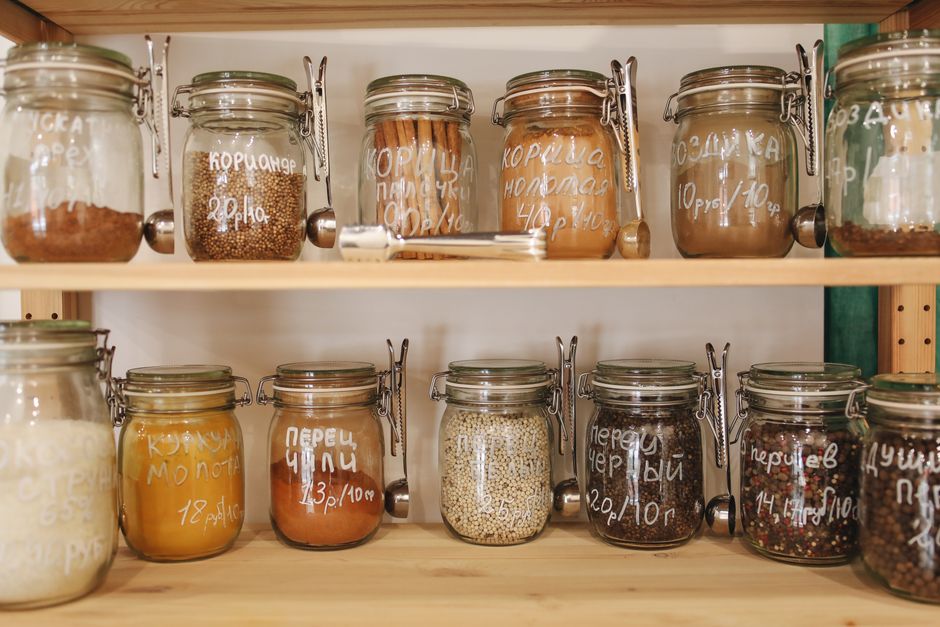
Clear containers serve a fundamental purpose in pantry organisation: they make the contents immediately visible. When dry goods such as flour, sugar, rice, and pasta are stored in opaque packaging, it is often necessary to open packets to check quantities or to guess based on prior purchase dates. Transparent containers eliminate this guesswork, allowing for a quick assessment of stock levels at a glance. This visibility helps in planning shopping lists and prevents overbuying, which is a common contributor to food waste.
Selecting suitable containers involves considering the type of food and the frequency of use. For items that are used daily, such as breakfast cereals or tea, containers with easy-pour spouts or hinged lids may be more convenient. For less frequently used ingredients, airtight containers with secure seals help preserve freshness over extended periods. Uniformity in container design can also aid in stacking and space utilisation. Many households find that using a consistent brand or size range simplifies shelving arrangement and creates a cleaner aesthetic. However, the priority should always be functionality: containers must be easy to clean, durable, and appropriately sized for the typical quantity of food stored.
Another aspect of container choice is the material. Glass containers offer transparency and are often resistant to staining and odour absorption, but they can be heavy and more prone to breakage. Plastic containers, particularly those made from food-grade materials, are lightweight and generally easier to handle. Some plastics may become cloudy over time, which can reduce visibility. It is important to select products that are BPA-free and suitable for food storage. For those concerned about environmental impact, reusable containers of any material align with sustainable practices, as they reduce reliance on single-use packaging.
When transferring food into containers, it is advisable to keep any relevant information from the original packaging, such as best-before dates or storage instructions. These details can be recorded on the label, which is the next step in creating an effective system. By having all dry goods in identical or similar containers, the pantry not only looks orderly but also becomes a more practical workspace for preparing meals and monitoring inventory.
Labelling Strategies for Clear Identification
Labels play a crucial role in maintaining an organised pantry, as they provide essential information that is not always visually obvious from the container alone. Even with see-through packaging, labels help distinguish between similar-looking items, such as different types of flour or sugar. They also allow for the inclusion of details like purchase dates or best-before dates, which are vital for managing food safety and quality.
The format of labels can vary according to personal preference and the type of container. Some individuals prefer pre-printed labels with common item names, while others use blank labels that can be handwritten or printed. The advantage of reusable labels is that they can be updated when the content changes. For example, a jar that once held oats might be repurposed for dried beans. In such cases, a label system that allows easy removal and replacement is beneficial.
When designing labels, legibility is key. Use a clear font or handwriting that is easy to read at a glance. The label should include the name of the item and, if applicable, the date of purchase or opening. In some storage systems, it is helpful to add a ‘use by’ reminder, especially for items that have a shorter shelf life once opened. For instance, oils and spices can degrade over time, so noting the date of purchase can prompt timely use.
Placement of labels should be consistent. A common practice is to affix the label to the front of the container at eye level, so that the information is easily visible when the item is on the shelf. For containers that are stored on higher or lower shelves, a top-down label position might be more practical. Consistency in labelling not only aids in finding items quickly but also contributes to the overall neatness of the pantry.
It is also worth considering whether labels need to be waterproof or resistant to abrasion, especially if containers are washed regularly. Many label materials, such as adhesive vinyl or write-on plastic, are designed to withstand moisture. For handwritten labels, using a permanent marker ensures longevity. In any case, the goal is to create a system where information is accurate and up to date, supporting the user in making informed decisions about food usage.
Implementing a Rotation System to Minimise Waste
Rotation systems are designed to ensure that older items are used before newer ones, thereby reducing the likelihood of food expiring unused. The most common method is First In, First Out, often abbreviated as FIFO. This principle is straightforward: when a new batch of an item is purchased, it is placed behind the existing stock, so that the older item is used first. Over time, this practice helps maintain a constant turnover and minimises the accumulation of outdated products.
Applying FIFO in a pantry requires a deliberate arrangement of items on the shelf. For example, if you have two containers of pasta, the one purchased earlier should be positioned in front of the newer one. This simple action makes it evident which item should be used first. In a busy household, it can be easy to neglect such details, but forming a habit of placing new groceries behind existing ones can have a significant impact on reducing waste.
To support the rotation process, the labelling system mentioned earlier becomes an essential tool. By noting the purchase date or the best-before date on each container, it is easier to identify which item is older. In some cases, a similar item might have been purchased at different times and stored in different parts of the pantry. Without clear dates, it would be difficult to determine the order of use. Therefore, combining labels with a consistent restocking routine is critical.
Another aspect of rotation involves monitoring inventory and planning meals around items that need to be consumed soon. This can be done by periodically taking stock of the pantry, perhaps once a week, and identifying any products with approaching expiry dates. Incorporating those ingredients into upcoming meals ensures they are used while fresh. This practice not only reduces waste but also encourages a more varied diet, as it prompts the use of less familiar items.
It is also important to consider the storage conditions that affect food longevity. For example, even with proper rotation, certain items like spices, oils, and canned goods have specific shelf lives and require appropriate storage environments. Humidity, temperature, and light exposure can all influence quality. By ensuring that the pantry is cool, dry, and dark, the effectiveness of the rotation system is enhanced, as food maintains its quality longer, giving more time for use.
For households that shop in bulk or in large quantities, the rotation system becomes even more critical. When a large bag of rice or a case of canned tomatoes is opened, the remainder should be stored in an accessible location, and any excess should be clearly dated and placed behind the current container. This prevents the situation where an item is forgotten at the back of a cupboard until it has passed its best.
In summary, a well-implemented rotation system works in tandem with clear containers and labels. The containers provide visibility, the labels supply essential data, and the rotation ensures that the oldest stock is used first. Together, these elements form a cohesive approach to pantry management.
Designing a Pantry Layout for Efficiency
The physical arrangement of the pantry can greatly influence how often items are used and how easy it is to maintain organisation. A well-designed layout takes into account the frequency of use, the size and weight of items, and the available shelf space. The goal is to create zones or areas where products are grouped according to their role in meal preparation, which simplifies the retrieval process.
One approach is to categorise items into groups such as baking supplies, spices and seasonings, canned goods, grains and pasta, snacks, and condiments. Each category can be assigned a specific shelf or area. For example, all baking goods might be stored together on one shelf, while spices are placed in a rack or a container on a shelf near the preparation area. This grouping reduces the need to search through unrelated products when looking for a particular ingredient.
Another consideration is the placement of items based on their frequency of use. Everyday ingredients, such as cooking oil, salt, and commonly used spices, should be at arm’s reach, perhaps at eye level. Less frequently used items, such as large bags of flour or speciality ingredients, can be stored on higher or lower shelves. Similarly, heavier items like jars and bottles should be placed on sturdy shelves below shoulder height to reduce the risk of accidents.
Within each category, a further organisation by type or size can be helpful. For instance, canned vegetables can be arranged in rows, with smaller tins at the front. Using shelf risers or tiered shelves can improve visibility, especially for items stored at the back. Clear containers of the same shape and size stack neatly and allow for easy retrieval without toppling.
The layout should also accommodate the rotation system. As mentioned, placing new items behind old ones is easier if there is enough space to reach the back of the shelf. Adjustable shelving can allow for changes in the sizes of containers. If the pantry is a walk-in closet, additional space might be used for an extra free-standing shelf. In a typical kitchen cabinet, thoughtful use of vertical space and stackable containers can maximise storage capacity.
Lighting is an often overlooked aspect of pantry design. Adequate lighting helps in identifying items quickly and reduces the chance of missing a product that is tucked away in a dark corner. If the pantry has poor natural lighting, the use of LED strip lights or portable battery-powered lights can make a significant difference. This simple addition supports the entire system by making every item visible.
Implementing the System in Your Own Home
Bringing together the concepts of clear containers, labelling, rotation, and layout requires a systematic approach. A good starting point is to empty the entire pantry, clean the shelves, and assess all available items. Discard any expired products or those that are unlikely to be used, following safe disposal guidelines. Once the inventory is clear, the next step is to categorise the remaining items according to the groups previously described.
Investing in a set of uniform containers may be done gradually, if necessary. Begin with the items that are most commonly stored and those that benefit most from visibility, such as flour, sugar, rice, and pasta. Over time, as the budget allows, additional containers can be sourced to eventually have all products in suitable packaging. It is important not to pressure oneself into purchasing everything at once; the system can be built step by step.
Creating the labels can be an enjoyable task. Some prefer to print them using a label maker, while others choose to handwrite for a more personal touch. Regardless of the method, consistency in the information and style is essential. For each container, the label should clearly display the item name and the date of purchase or the best-before date. If the container is reused for a different product, the label must be updated before placing the new item.
Once the pantry is set up, the maintenance of the system becomes a regular practice. Each time new groceries are brought home, they should be placed in the appropriate location, with the rotation rule applied. Taking a few minutes to reposition items after grocery shopping can save time later and prevent the system from falling into disarray. Periodic reviews, perhaps monthly, allow for adjustments based on usage patterns and the discovery of any potential problems, such as items that are not being used as expected.
It is also worth noting that the pantry system is not meant to be perfect. It should be functional for the household’s specific needs. If a certain category is not used often, it might be streamlined or given less space. Adaptations are natural as shopping habits and meal plans evolve. The key is to maintain the core principles: visibility, clear information, and an order that promotes the use of older stock first.
By following these steps, households can create a pantry that not only looks tidy but also actively supports a reduction in food waste. The process involves thoughtful planning and a small investment in containers and labels, but the long-term benefits include less confusion during meal preparation, cost savings from avoiding duplicate purchases, and the satisfaction of using food before it spoils. HomeSmart Solutions encourages individuals to assess their own kitchen environment and apply these concepts in a way that suits their lifestyle, remembering that the ultimate goal is a simplified and more sustainable routine.